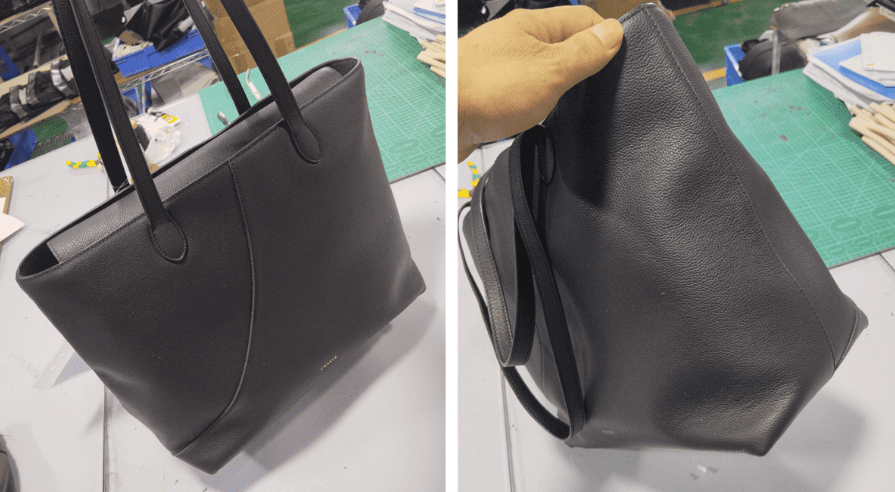


In premium handbag development, one of the most critical decisions is matching the leather’s natural temper with the bag’s blueprint. For global contemporary brands, selecting the wrong leather hide doesn’t just alter the aesthetic—it creates catastrophic manufacturing defects. To achieve a flawless production run, designers and sourcing managers must master the strict division of leather properties across structured, semi-structured, and casual silhouettes.
At Fiedle, drawing on our 24+ years of high-end OEM/ODM leather manufacturing experience, we help brands harmonize raw materials with bag geometry. Here is the definitive guide to dividing your leather choices by bag category.
1. Define: Structured, Semi-Structured, and Casual Handbags
- Structured Handbags: These designs rely on architectural silhouettes, crisp 90-degree lines, and panels that remain rigid and balanced. Classic examples include Box Bags, hard-cased Satchels, and rigid clutches. They are engineered to hold their shape perfectly, whether completely empty or fully loaded.
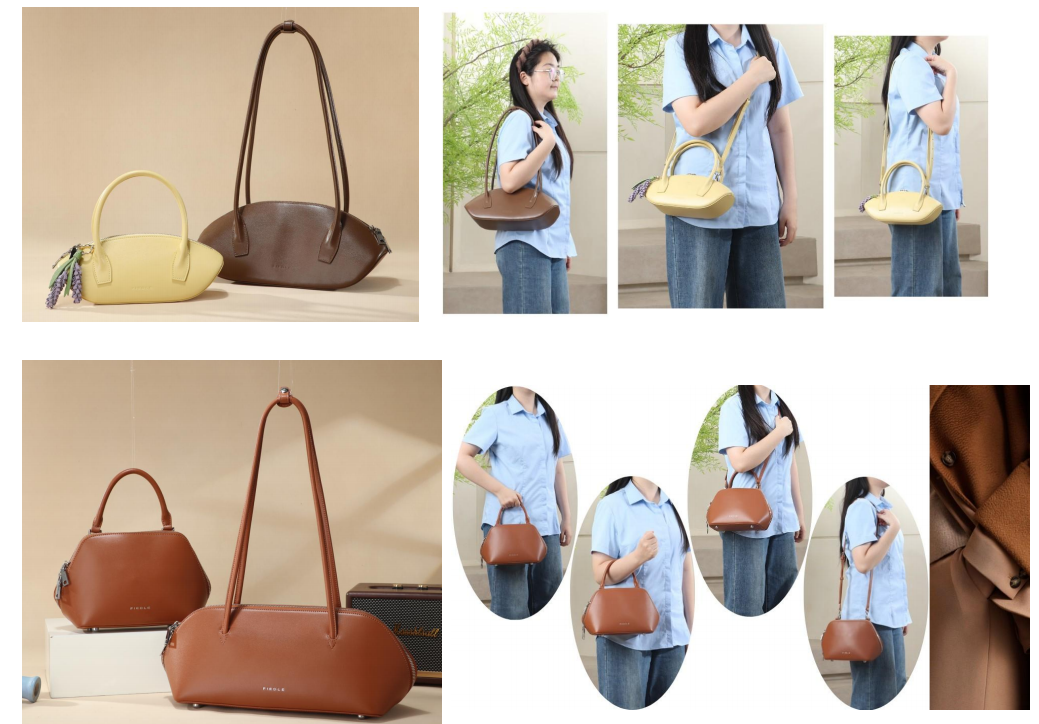
- Semi-Structured / Semi-Casual Handbags: These bags strike a balance between relaxed comfort and tailored elegance. Examples include classic Trapeze Totes, structured Bowling Bags, and tailored Shoulder Bags. They possess a defined frame or base to stand upright but feature soft, yielding side panels or top entryways.
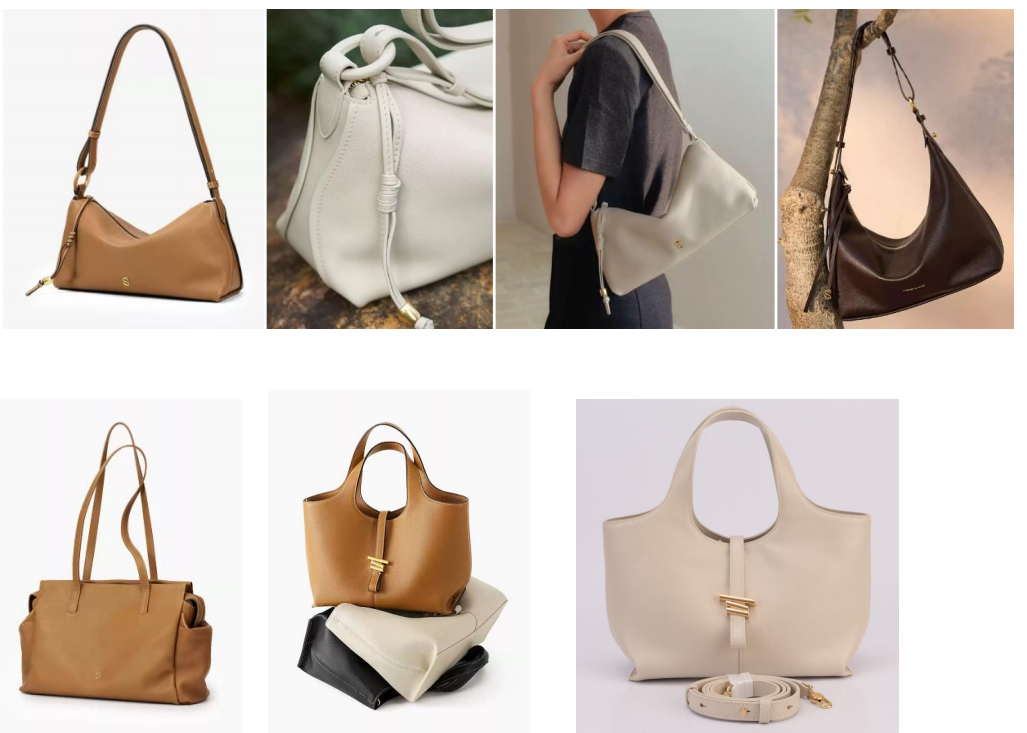
- Casual Handbags: These designs celebrate organic draping, soft slouchy folds, and an effortless luxury feel. Typical styles include bohemian Hobo Bags, oversized Totes, and slouchy Bucket Bags. They are designed to mold comfortably to the body and move naturally with the user.
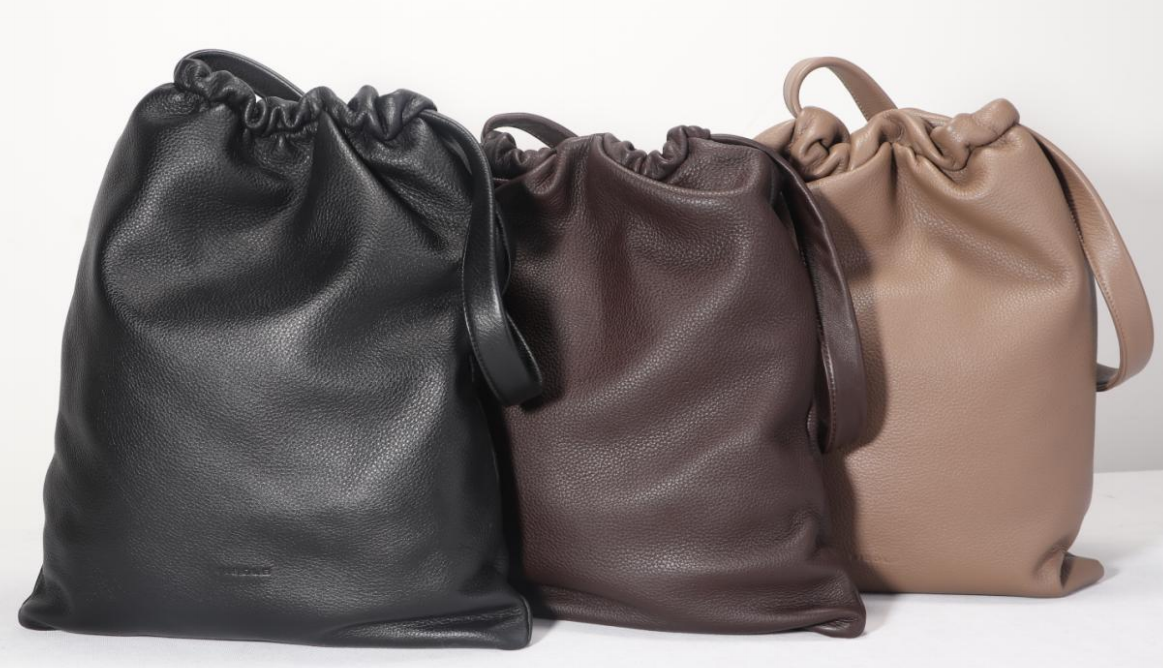
2. The Consequences of a Material Mismatch: When Leather Clashes with Silhouette
Using the wrong leather temper for your bag type creates immediate production failures and high defect rates:
- Soft Leather on a Structured Bag: If a naturally soft Nappa or tumbled leather is forced onto a boxy frame, the leather will wrinkle severely at the tight corners. Furthermore, it will trigger “telegraphing flaws”—where every minor irregularity or glue line of the hard internal reinforcement boards shows directly through the soft exterior surface, making the final product look deflated and unrefined.
- Rigid Leather on a Casual Bag: If a stiff vegetable-tanned or heavily embossed leather is used on a slouchy hobo or bucket bag, the folds will become stiff, bulky, and awkward. The seams will poke out unnaturally, destroying the intended relaxed aesthetic and making the bag uncomfortable for the consumer to wear.
- Mismatch on a Semi-Structured Bag: If the leather is too soft, the bag’s corners and bottom will collapse, causing it to lose its defined silhouette. If the leather is too rigid, the side panels will crack or bulge awkwardly instead of relaxing into elegant, controlled drapes.